Food Chart: The Definitive Guide to Types, Balanced Diet Plans & Clinical Portions


Key Takeaways
A food chart is one of the simplest tools for building better eating habits for yourself and your family. It translates nutrition science into easy meals. Your daily meals become easy to see, measure, and repeat. The best food chart needs to be balanced, practical, seasonal, and suited to your age, activity, and health needs.
- For most families, the visual plate model is a great starting point. For athletes, a macronutrient exchange chart may work better. And for people with lifestyle ailments like diabetes or kidney care, a medical food chart is a safer option. The right format, however, depends on your goal.
- Food should support growth, energy, digestion, immunity, and long-term health. A clear food chart helps make that possible, one meal at a time.
When you try to create a healthy diet chart, you don’t always choose the ‘good’ foods. This is because it is much more than that. You must know how much you should eat. When you should eat and how to balance every meal throughout the day. A food chart, therefore, helps you strike a balance. It adds the nutrition that’s needed in your body. Also, it acts as a visual plan that is easy to follow as per your schedules.
A food chart is a structured, visual guide that shows how various food groups should be planned in a day’s meal. It carefully maps out protein, carbs, fruits, fats, dairy, vegetables, and other nutrient sources. Basically, a food chart makes your life easier. It helps you plan balanced meals and avoid overeating. Also, it aids in your nutrient intake and supports long-term health. A food chart can be age-specific, general, fitness-focused or even medically customised under an expert’s guidance.
Why a Food Chart Matters More Than Ever
You must be aware that what you eat is what you are. Your diet has a direct link with your overall health. WHO says that a healthy diet helps protect against malnutrition. It also becomes a protective shield against diseases like heart ailments, diabetes, stroke and cancer. In the same report, it also mentions that as people eat more processed foods these days, they are more likely to get ill. The constant intake of unsaturated fats, sugar, and salt should be avoided.
This is where a well-prepared food chart becomes useful. It gives your everyday meals a structure. It also helps you see whether your plate has enough fibre, protein, healthy fats, and micronutrients. And more importantly, it reduces guesswork.
The need for a proper food chart is serious. WHO data shows that non-communicable diseases have already killed at least 43 million people in 2021. This is equal to 75% of non-pandemic-related deaths globally. The data is concerning. Unhealthy diets, excess salt, sugar, fats, and physical inactivity are listed as major behavioural risk factors.
However, a food chart alone cannot replace medical care. But it can make your everyday eating habits more balanced and preventive.
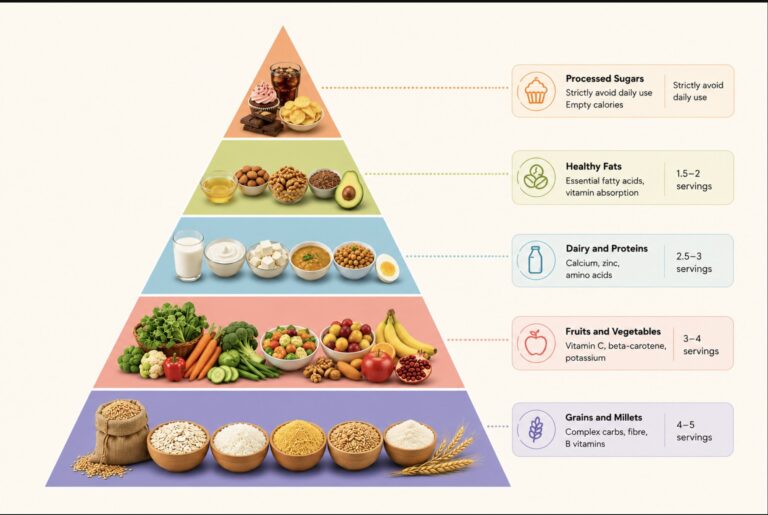
The 5 Essential Functional Tiers of a Balanced Food Chart
A balanced food chart will work best when it is divided into clear groups. Each group has a role. When you miss one group repeatedly, it can create nutritional gaps.
Complex Carbohydrates: The Energy Foundation
Complex carbohydrates offer steady energy to your body. These include rice, wheat, millets, oats, dalia, poha, whole wheat roti, and other grains.
The ICMR-NIN Dietary Guidelines for Indians elucidate that a balanced diet should provide around 50–60% of total calories from carbohydrates, which is preferably from complex carbohydrates. This does not, however, mean filling most of your plate with refined carbs. It means choosing grains that can provide energy along with fibre and other nutrients.
A few good options to include are: Brown rice, Whole wheat roti, Ragi, Jowar, BajraOats
- Broken wheat
- Red rice
For children, carbohydrates are essential, too. It helps support their daily activity, school energy, and growth. But the quality of carbs also matters. A bowl of millet upma is very different from a packet of sugary cereal. So, choose wisely.
Vegetables and Fruits: The Micronutrient Core
Vegetables and fruits offer fibre, vitamins, minerals, antioxidants, and water to your diet. They also add a lot of volume to your meals without adding too many calories.
The WHO recommends at least 400 grams of fruits and vegetables every day for everyone above 10 years of age. It also endorses at least 25 grams of naturally occurring dietary fibre every single day for this age group.
A simple visual rule here is to keep half your plate for vegetables and salad. Fruits can also be added as a snack. Or you can keep it as a part of your breakfast.
However, use variety throughout the week. You may sort the chart according to different colours:
- Green: spinach, beans, methi, capsicum
- Orange: carrot, pumpkin, papaya
- Red: tomato, beetroot, watermelon
- White: cauliflower, radish, bottle gourd
- Purple: brinjal, black grapes
Believe it or not, this colour mix can help improve the micronutrient diversity in your diet. For your kids, vegetables may need to be introduced slowly. You may add them in dal, paratha stuffing, cheela batter, soups, and cutlets.
Proteins and Dairy: The Tissue Builders
Protein is essential for everyone. It supports muscle growth, tissue repair, immunity, enzymes, and hormones. In kids, it is truly essential for their overall growth. In adults, it helps maintain muscle mass and keeps you full for a longer period of time.
Indian meals often include cereals but may fall short on protein. So, your food chart should include a proper protein source in every major meal.
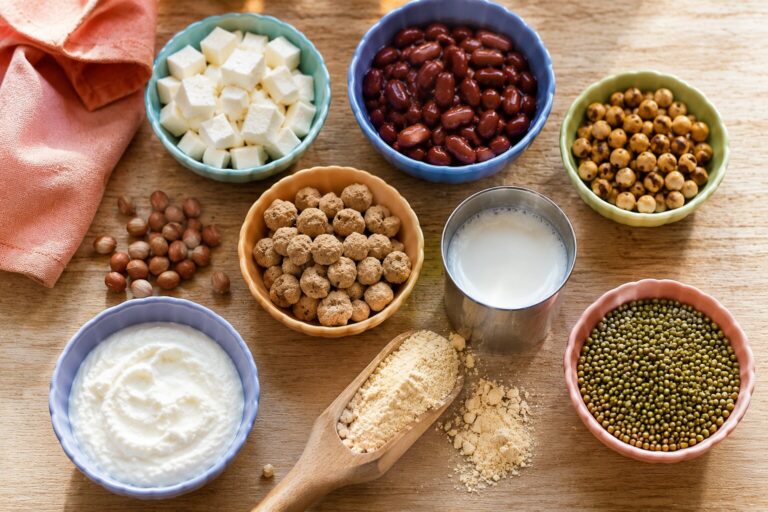
A few common protein sources in India include: Dal, Chana, Rajma, Soybean, Paneer, Curd, Milk, Eggs, Fish, Chicken, Lean meat, Sprouts, Peanuts
If you are an active individual, protein needs may be higher. The International Society of Sports Nutrition states that 1.4-2.0 grams of protein per kg body weight per day is adequate for most exercising adults. So, this is a good amount if you want to build or maintain your muscle mass. This range is, however, not needed for everyone. And hence, should be adjusted based on age, activity, health status, and dietitian advice.
For regular family meals, your simple target should be is easier. Just add dal, curd, eggs, paneer, fish, chicken, sprouts, or legumes daily.
Healthy Fats, Oils, Nuts, and Seeds: The Cellular Support System
Even though a lot of people may think otherwise, fats are not the enemy. Good fats help absorb fat-soluble vitamins like A, D, E, and K. They also help in the sustenance of hormones, brain function, and bodily cell health.
The key is here is, however, portion control and quality. The ICMR-NIN guidelines shows that a balanced diet should offer around 20–30% of calories from visible and invisible fats. The WHO also recommends keeping total fat intake at 30% or less of daily energy intake for healthy adults.
Some healthy fat choices include: Groundnut oil, Mustard oil, Sesame oil, Nuts, Seeds, Fish, Avocado
Homemade nut chutneys
Limited ghee
Remember that deep-fried snacks, bakery foods, packaged chips, and trans-fat-heavy foods should be restricted. For kids, fats are essential. But fried foods should not become their main fat source.
Sugars, Refined Foods, and Ultra-Processed Foods: The Restricted Tier
This is the top tier of your food chart. These should be limited, however, and not made routine.
The WHO recommends limiting free sugars to less than 10% of total daily energy intake. If you are consuming about 2000 calories, this will equal to around 50 grams or 12 level teaspoons of sugar. A further reduction to 5% of it may offer extra health benefits.
This includes sugar added to your tea, sweets, soft drinks, packaged juices, bakery items, chocolates, and many other packaged food options.
For kids, this category needs extra attention. They may get used to very sweet flavours very quickly. This can make regular home food seem less appealing. So, avoid introducing them to sugary foods from outside too soon.
Deep Dive: Clinical Types of Food Charts
Different people need different types of food charts. Something that work for you won’t work for your spouse or your friend. A growing child, a diabetic adult, an athlete, and a kidney patient cannot follow the same diet chart. So, here are the main types of charts that can be followed:
Macronutrient Exchange Food Chart
Best for: Athletes, fitness-focused adults, body composition goals
Core focus: Calories, carbohydrates, protein, and fat
Clinical use case: Weight management, muscle gain, sports nutrition
A macronutrient exchange food chart helps break down food into measurable portions. It will help you swap one food with another while keeping the nutrition values similar.
For instance, one cereal exchange may include a set amount of rice, roti, oats, or poha. One protein exchange may include dal, egg, paneer, fish, or chicken. The idea here is flexibility without losing control over the nutrients.
This kind of food chart is useful when you are looking for accuracy. If you are trying to lose fat, gain muscle, manage athletic performance, or improve meal consistency, you may benefit from it.
But it also needs effort. You may need to weigh or measure your plates. Your calories and macros may need to be tracked. So, it may not be ideal for young children or families who want a simple routine.
Glycaemic Index Food Chart
Best for: People managing blood sugar, insulin resistance, or prediabetes
Core focus: Speed of carbohydrate digestion
Clinical use case: Diabetes care, metabolic health planning
A glycaemic index food chart helps classify carbohydrate foods based on how quickly they can raise blood glucose. Low-GI foods are digested more slowly. Whereas high-GI foods raise blood sugar much faster.
This type of chart will help you choose better carbohydrate sources. For instance, whole grains, pulses, vegetables, and fibre-rich foods are usually preferred. Refined flour, sugary drinks, and sweets should be avoided.
A GI chart is accommodating to everyday routine because it teaches quality, not just quantity. Two foods may contain carbohydrates, but they may affect your blood sugar differently.
However, GI is not the only thing that matters. Your portion size, cooking method, food combination, and total calories also affect your blood sugar levels. A low-GI food eaten in a very large quantity can still disturb balance.
So, if you have with diabetes, kidney disease, or other conditions, you must follow a medically approved food chart.
Visual Plate Portion Food Chart
Best for: Families, beginners, children, and busy households
Core focus: Plate balance
Clinical use case: Preventive health and daily meal planning
This is the easiest food chart for most individuals. You will not need to weigh your food every day. You can simply use your plate as a guide.
A simple balanced food plate can look like this:
- Half plate: vegetables and salad
- One quarter: cereals or millets
- One quarter: protein
- Side portion: curd or milk
- Add-on: fruit, nuts, or seeds as needed
This method is easy to follow and useful for most families because it is visual. Children can understand it well, too. It also helps reduce the overloading of your plate with rice or roti.
For instance, a lunch plate may include rice, dal, vegetable curry, curd, and salad. A dinner plate may include roti, paneer bhurji, sautéed vegetables, and curd.
For kids, the same model can be adapted with smaller portion sizes. When mapping generational growth metrics for children, families can also look at this balanced diet chart for kids. This helps plan meals according to age and activity.
Disease-Specific Medical Food Chart
Best for: People with diagnosed health conditions
Core focus: Nutrients that affect organ function
Clinical use case: Kidney care, hypertension, liver disease, diabetes, heart disease
A disease-specific food chart is not a general chart. It is a therapeutic plan. So, this is usually designed by a doctor or clinical dietitian.
For instance:
- A kidney care chart may restrict sodium, potassium, phosphorus, and protein.
- A hypertension chart may recommend reducing sodium and processed foods.
- A diabetes chart may control carbohydrate timing and quality.
- A liver support chart may adjust fat, protein, and meal frequency.
- A heart-health chart may focus on fibre, healthy fats, and sodium control.
These charts must be customised as per the needs of the person. Someone with chronic kidney disease cannot simply follow a high-protein fitness chart. Likewise, a diabetic person cannot trust only on “healthy foods” without portion control.
Also, remember that medically prepared food charts should never be copied from the internet without professional review.
Cross-Comparison of Food Chart Formats
Different food chart formats solve different problems. Some are simple. Some are detailed. Some need medical supervision.
| Type of Food Chart | Primary Metric Evaluated | Core Strength | Main Limitation |
| Macronutrient Exchange Chart | Carbs, protein, fat in grams | Very precise for body composition goals | Needs regular tracking and calculations |
| Glycaemic Index Chart | Blood sugar response of carbohydrate foods | Helpful for insulin and glucose management | Does not always consider total calories |
| Visual Plate Model | Plate portion ratios | Easy for families and daily use | Less accurate for athletes or clinical targets |
| Disease-Specific Medical Chart | Sodium, potassium, phosphorus, sugar, fat, or protein | Protects organ function and supports treatment | Must be supervised by a qualified expert |
Clinical Portion Guide: How Food Charts Convert Food Into Measurable Units
A well-prepared food chart becomes a practical option only when the portion sizes are controlled and clear. The ICMR-NIN Dietary Guidelines offer portion units for common food groups. These can help translate nutrition into everyday meals.
Here is a portion sorting example, as per different groups, that you may keep in mind while preparing your diet chart:
| Food Group | Raw Portion Size | Approx. Energy | Protein | Carbohydrate | Fat |
| Cereals and millets | 30 g | 100 kcal | 3 g | 20 g | 0.8 g |
| Pulses | 30 g | 100 kcal | 6 g | 15 g | 0.7 g |
| Egg | 50 g | 85 kcal | 7 g | – | 7 g |
| Meat/chicken/fish | 50 g | 100 kcal | 9 g | – | 7 g |
| Milk and milk products | 100 ml | 70 kcal | 3 g | 5 g | 3 g |
| Roots and tubers | 100 g | 80 kcal | 1.3 g | 18 g | – |
| Green leafy vegetables | 100 g | 46 kcal | 3.6 g | – | 0.4 g |
| Other vegetables | 100 g | 28 kcal | 1.7 g | – | 0.2 g |
| Fruits | 100 g | 40 kcal | – | 10 g | – |
| Sugar | 5 g | 20 kcal | – | 5 g | – |
| Visible fats and oils | 5 g | 45 kcal | – | – | 5 g |
Now, these are just reference portions. And there is no fixed rule for everyone. Actual dietary requirements can change with age. It also differs with gender, height, weight, activity level, medical condition, and growth stage. So, choose accordingly.
Building a Balanced Diet Chart at Home – Steps to Do It Right
A complicated and rigid chart is not needed to successfully keep track of balanced diet charts. One may follow a simple version of an outline and then adapt it to their personal preference.
Step 1: Decide Your Goal
The purpose needs to be defined before writing your food chart.
Is your goal:
- Improve daily nutrition?
- Support your child?
- Manage weight?
- Improve performance?
- Control blood sugar?
- Support recovery from illness?
The goal would indicate which food chart to use.
Step 2: Estimate Your Energy Needs
Age, size, sex, and lifestyle determines how much energy one requires. A sedentary person would need less fuel compared to one who is active. Kids would need more nourishment even if the portions are smaller.
For adults, Mifflin-St Jeor is a popular one. For personal use, you would focus on meal balance, how hungry you are, energy levels, how you feel and digestive health, and weight.
Step 3: Fix Your Core Plate Structure
The plate method would be the best for meals. For lunch and dinner you may select from the following:
- 1 cereal portion: rice, roti, millet, dalia, or oats
- 1 protein portion: dal, egg, paneer, fish, chicken, chana, rajma, or curd
- 2 vegetable portions: cooked and raw
- 1 small fat portion: cooking oil, nuts, seeds, or ghee
- 1 dairy or fruit portion as needed
Even large undertakings like this one can be kept simple by employing this method.
Step 4: Add Both Local and Seasonal Foods
A good food chart should also fit your kitchen. It should include foods that are affordable, available, and culturally familiar.
For Indian families, options may include:
- Dal-rice with vegetable curry and curd
- Roti with paneer and salad
- Idli with sambar and chutney
- Poha with peanuts and vegetables
- Dalia with curd
- Khichdi with vegetables
- Millet dosa with sambar
- Rajma rice with salad
If you are configuring meal milestones for a teenager’s growth spurt, go through to a height growth foods list. This will help you choose protein, calcium, zinc, iron, and vitamin-rich foods more carefully.
Step 5: Keep Your Medical Conditions Separate
A standard food chart is not suitable for every condition. People with diabetes, kidney disease, liver disease, severe obesity, food allergies, eating disorders, or heart disease need professional guidance.
For children, medical conditions need to be assessed. Issues such as poor weight gain, frequent fatigue, low haemoglobin levels, and vitamin D deficiency are common. Or delayed growth should be assessed by a paediatrician.
Sample Daily Food Chart for a Balanced Indian Diet
This is a general reference chart for a healthy person. It can be adjusted based on age and needs.
| Meal Time | Food Chart Example |
| Early morning | Water, soaked nuts, or fruit if needed |
| Breakfast | Vegetable poha/upma/idli/dosa/oats with milk or curd |
| Mid-morning | Fruit or buttermilk |
| Lunch | Rice or roti, dal or protein curry, vegetable sabzi, salad, curd |
| Evening snack | Roasted chana, sprouts, or milk |
| Dinner | Roti or millet dish, paneer/egg/dal/chicken/fish, vegetables |
The goal is not perfection. The goal is consistency.
Common Mistakes to Avoid While Following a Food Chart
Your food chart should make your everyday eating easier and not complicate it. So, try and avoid these mistakes:
- Copying a chart made for someone else
- Removing carbs completely
- Eating protein only at dinner
- Giving children too many packaged snacks
- Counting calories but ignoring vitamins and minerals
- Eating fruit juice instead of whole fruit
- Using too much oil because it is “healthy oil”
- Following medical diets without expert advice
- Assuming supplements can replace balanced meals




 No Refined Sugar
 No Preservatives
 No Maltodextrin