Immunity Booster for Kids: Essential Vitamins, Foods, and Habits

Key Takeaways
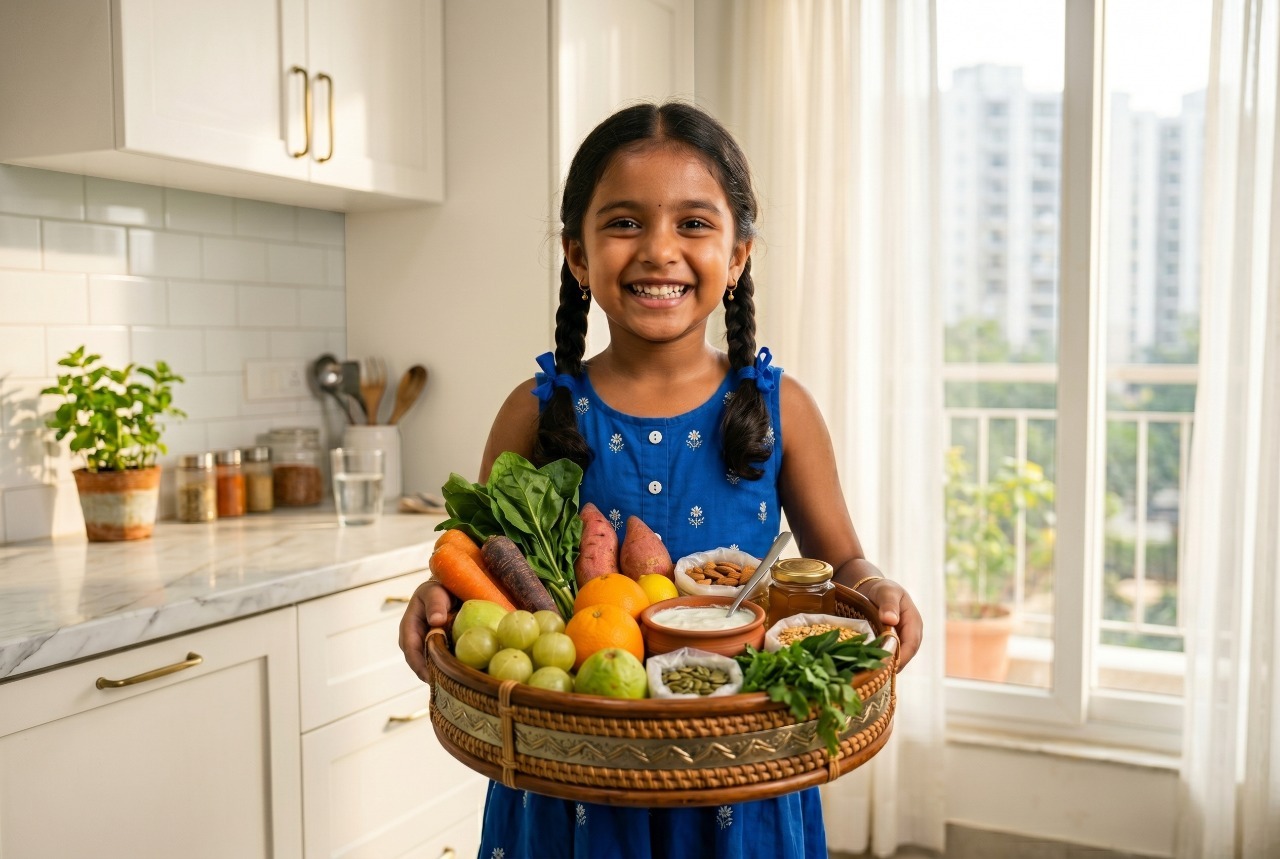
To support your child's immune system effectively, focus on these core pillars:
- Balance three key habits: Combine healthy food, 10–13 hours of sleep, and daily physical activity to build strength.
- Target iron intake: Provide children aged 1–3 with 7mg of iron every day to support healthy development.
- Prioritize vital nutrients: Focus on serving foods rich in Vitamin C, Vitamin D, and Zinc.
- Support the gut: Use natural boosters like home-made curd and amla for better gut health and cell protection.
- Stay consistent: These daily habits keep the natural defense system active without needing early medical intervention.
How Does A Child’s Immune System work
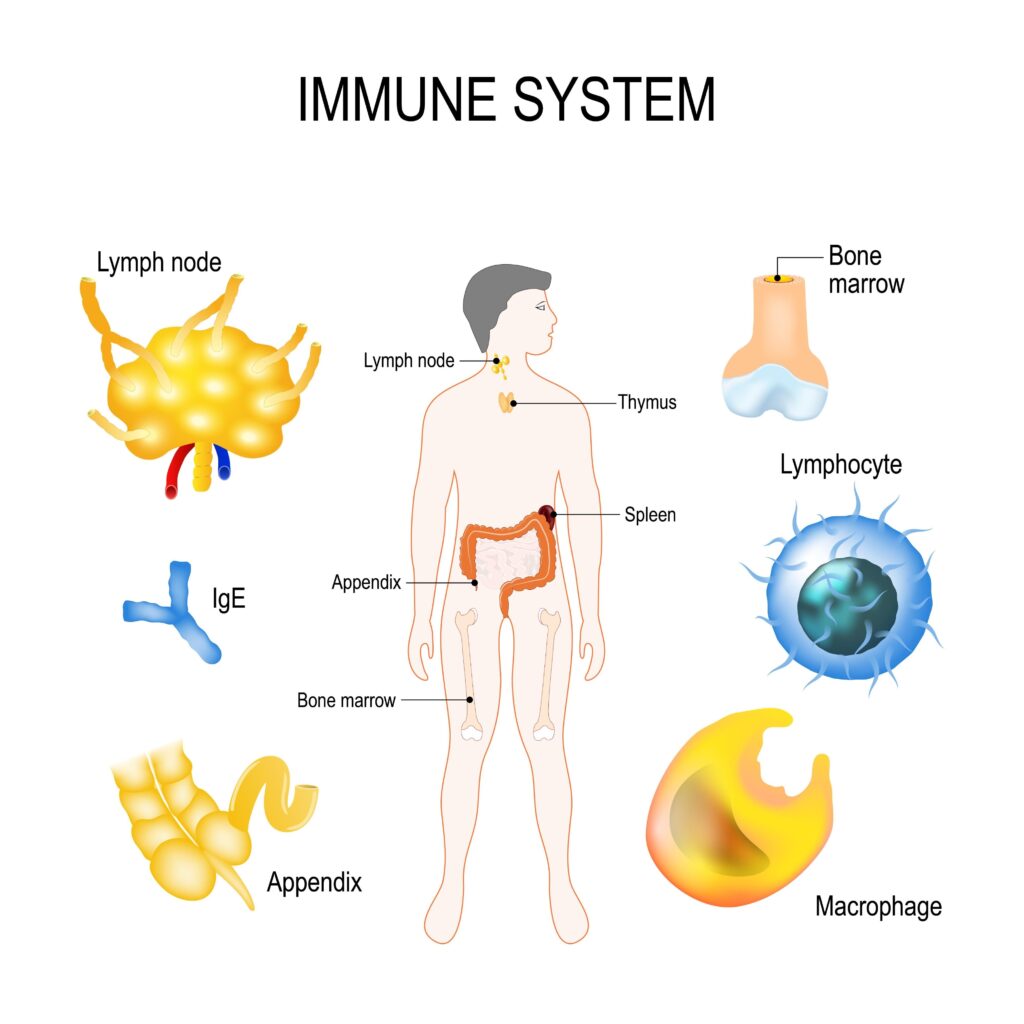
A child’s immune system is a network of cells and proteins. Its job is to find and stop foreign germs that enter the body. This system matures over time as it meets new bacteria and viruses in the environment. Unlike adults, a child’s system is still learning how to handle different threats.
For this system to work well, the body needs a steady supply of energy. If a child lacks certain nutrients, their immune response can become slow. This makes them more likely to catch common colds or seasonal illnesses. Giving your child the right biological building blocks is the best way to support this natural defense.
Essential Vitamins for Daily Health
Vitamins act as helpers for the chemical reactions that power immune cells. Specific vitamins are very important for children as they grow.
Vitamin C and Cell Protection
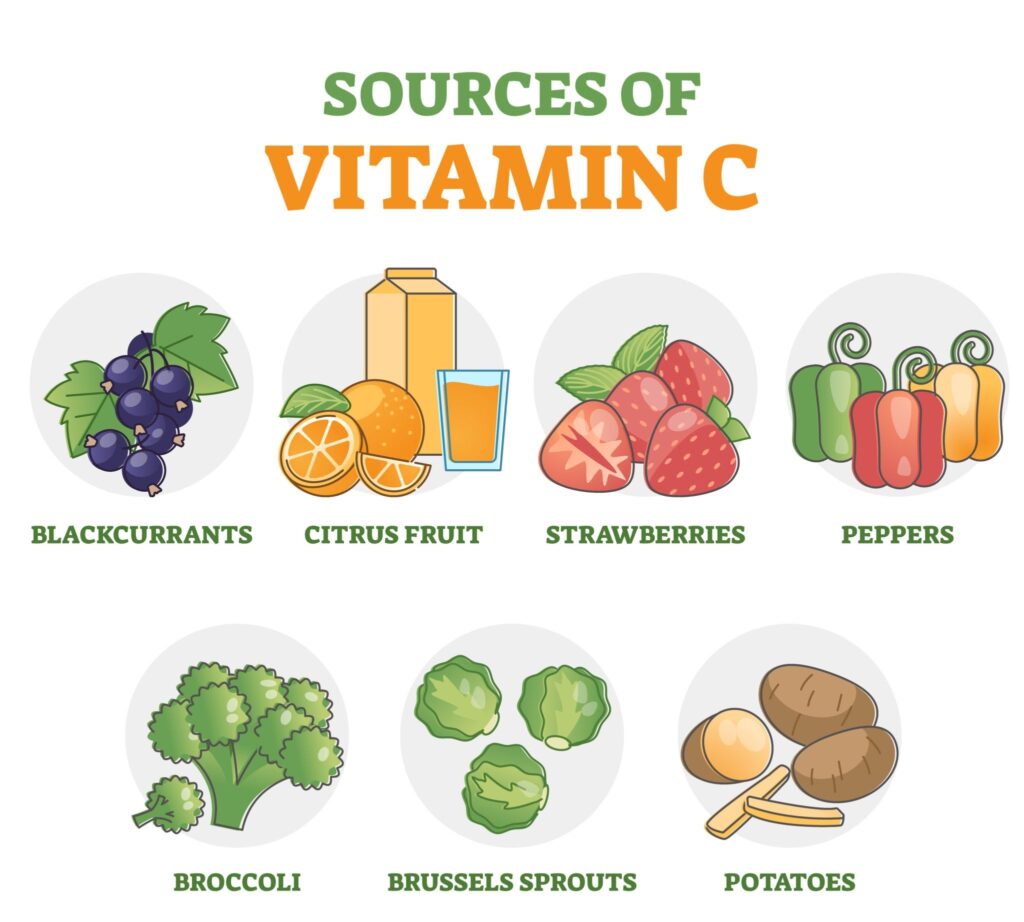
Vitamin C helps the body produce and support white blood cells. These cells are vital for removing harmful particles from the body. Since the body cannot store Vitamin C, your child needs to eat it every day.
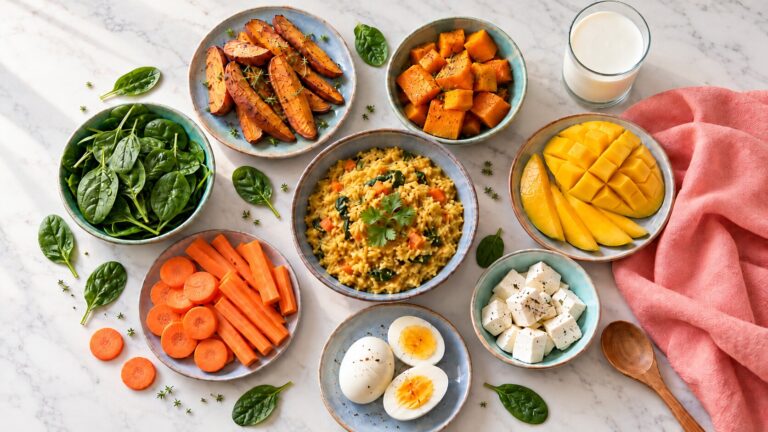
In India, amla (Indian gooseberry) is one of the best sources. You can also find it in guavas, citrus fruits, and bell peppers. Research shows that consistent Vitamin C intake can help reduce the length of common colds.
Vitamin D: The Immune Regulator
Vitamin D is a nutrient that helps activate the body’s immune response. The Indian Academy of Pediatrics (IAP) notes that many children in India have low levels of Vitamin D. This often happens because children spend more time indoors for school.
Getting 20 minutes of daily sunlight allows the body to make Vitamin D naturally. You can also find it in cereals and dairy products. Vitamin D is essential for a healthy immune reaction to pathogens.
Vitamin A and Physical Barriers
Vitamin A is needed to keep the lining of the lungs and stomach healthy. These surfaces act as a physical wall against germs. A lack of Vitamin A is linked to a higher risk of lung and stomach infections. Good sources include carrots, sweet potatoes, and dark leafy greens.
Vitamin E and Cell Strength
Vitamin E is an antioxidant that protects the walls of immune cells from damage. It is found in healthy oils, nuts, and seeds. A small serving of almonds each day is an easy way to provide this protection.
Mineral Requirements for Kids’ Immunity
Minerals are just as important as vitamins for a strong defense system.
Zinc and Daily Recovery
Zinc is a mineral that helps immune cells grow and function correctly.Studies show that zinc can reduce the length of a common cold by one full day. You can find zinc in pumpkin seeds, lentils, and chickpeas.
Selenium and Antioxidant Support
Selenium helps the body manage its response to stress and inflammation. It assists in preventing cell damage during an illness. Selenium is commonly found in eggs, whole grains, and dairy products.
Why Iron is Critical for Indian Children
Iron is a nutrient that helps red blood cells carry oxygen throughout the body. It is also important for the growth of immune cells.
The National Family Health Survey (NFHS-5) reports that 67% of children under five in India are anaemic. This high rate of deficiency can make the immune system less effective. The IAP recommends that children aged 1–3 receive 7mg of iron every day. You can help by serving iron-rich foods like jaggery (gur), spinach, and lentils.
How Gut Health Strengthens Children’s Immunity
About 70% of the immune system is located in the digestive tract. The balance of “good” bacteria in the gut affects the body’s overall health.
Home-made curd (dahi) is a great source of probiotics in the Indian diet. Probiotics support a healthy gut barrier and help prevent harmful germs from entering the blood. Serving a bowl of fresh curd daily is a simple way to support your child’s natural resistance.
Lifestyle Habits That Build Strength
Good food must be paired with healthy habits to be most effective.
The Importance of Sleep
While a child sleeps, the body releases proteins called cytokines. These proteins help fight inflammation and infection. Children aged 3–5 years typically need 10–13 hours of sleep for a healthy immune system. A lack of sleep can lead to fewer of these protective proteins.
Physical Activity and Circulation
Regular exercise helps immune cells travel more effectively through the body. Children should participate in at least 60 minutes of active play every day. This also encourages natural sunlight exposure for Vitamin D production.
Hand Hygiene and Germ Load
Hygiene practices reduce the number of germs the immune system has to handle. Teaching children proper handwashing lowers the risk of getting sick. Encourage them to wash their hands before meals and after playing outside.
Common Nutrition Gaps to Watch For
Identifying and fixing common mistakes can improve your child’s health outcomes.
High Sugar Intake : Eating too much refined sugar can temporarily slow down how well white blood cells work.
Micronutrient Gaps: Picky eating often leads to a lack of minerals like Zinc and Iron.
Low Hydration: Water is needed to keep all cells healthy and to flush out waste from the body.
Selecting the Right Immunity Booster for Your Child
Most healthy children get what they need from a varied diet. However, children who are picky eaters may miss out on essential vitamins. In these cases, a targeted supplement can help fill the gaps.
What to Look for in a Supplement
When picking an immunity booster for kids, avoid products with a lot of refined sugar or artificial colors. Look for formulas made for your child’s specific age group. A good supplement should provide levels of Vitamin D, Zinc, and high-quality protein based on research.
For example, Gritzo Super Milk is made for the growth needs of different ages. It provides personalized support for height, muscle development, and immune health. Most parents notice changes in energy and focus within 4–8 weeks of daily use. It is important to wait until a child is at least three years old before starting supplements. Always talk to your paediatrician to find any nutritional gaps before starting a new product.





 No Refined Sugar
 No Preservatives
 No Maltodextrin