Balanced Diet Chart for Kids: Simple Dietary Guidelines and Healthy Food Ideas for Parents

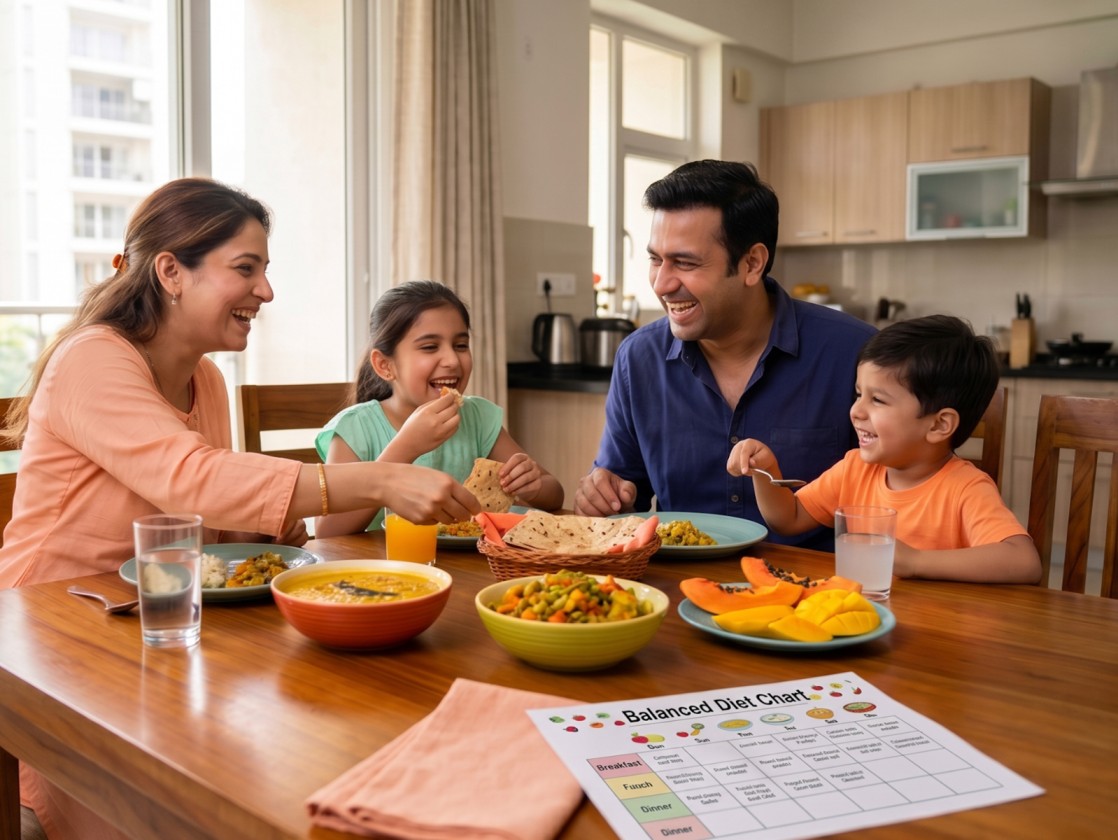
Every parent wants their child to grow up strong and healthy. However, it is common for young children to catch seasonal colds or feel tired as they explore the world around them. This happens because a child’s immune system is like a student—it is constantly learning how to identify and stop new germs.
To help this system learn effectively, the body needs the right biological building blocks. Rather than looking for a “magic” quick fix, supporting a child’s immunity involves a steady mix of the right nutrients, enough rest, and healthy daily habits. This guide breaks down the science of pediatric health into simple, practical steps every Indian family can follow.
Balanced Diet Chart for Indian Kids by Age Group
As your child grows up, their food needs start to change. There is a difference between the dietary needs of a toddler and a school-going child. Not only the food items but even their meal patterns, portion sizes and timings can look quite different. Here is a quick age-wise breakdown to guide you.
Diet Chart for 2-5 Year Olds
During these years, a child’s brain develops at an incredible pace, requiring a high intake of healthy fats and iron. However, toddlers have a stomach capacity about the size of their own fist, meaning they cannot eat large portions at once. The goal here is nutrient density—making every bite count. This is also the critical “window of exposure” where children develop their taste preferences, so introducing a wide variety of textures now helps prevent picky eating later.
| Time | Meals | Preferred Food Options |
| Early morning | Milk or a light starter | A glass of milk, or milk with a soaked almond paste if suitable |
| Breakfast | Main morning meal | Vegetable upma, poha, idli with sambar, dal cheela, oats porridge or egg with soft roti |
| Mid-morning | Fruit snack | Banana, papaya, apple slices, chikoo, pear, or seasonal fruit in small pieces |
| Lunch | Balanced meal | Rice or roti with dal, one vegetable, curd and a small portion of paneer, egg or chicken |
| Evening snack | Light energy snack | Dahi, fruit yoghurt, boiled corn, cheese toast, roasted makhana or a small homemade sandwich |
| Dinner | Simple evening meal | Khichdi with vegetables, soft roti with dal, vegetable pulao with curd or suji cheela |
| Bedtime (if needed) | Something light | A small glass of milk |
Diet Chart for 6-12 Year Olds
School-age children burn energy quickly as they balance physical play with classroom learning. During this phase, the body also begins storing the building blocks it needs for future growth spurts. To maintain focus and stay active, children require specific nutrients for lasting energy and bone growth.
Healthy Carbohydrates: Foods like whole grains provide steady energy. This prevents “energy crashes” that can make children feel tired or sleepy before lunch.
Calcium for Growth: This is a vital time for bone development. Calcium acts as a foundation for making bones longer and stronger.
The Power of a Morning Snack: A mid-morning snack is essential because it keeps energy levels steady. This makes it much easier for children to concentrate and stay attentive in the classroom.
| Time | Meals | Preferred Food Options |
| Early morning | Milk or light starter | A glass of milk, plain curd, or a few soaked nuts with water |
| Breakfast | Main morning meal | Vegetable paratha with curd, idli with sambar, poha with peanuts, egg toast, oats cheela or paneer sandwich |
| Mid-morning | School snack | Banana, apple, orange, guava, coconut pieces, or a small box of sprouts or chana |
| Lunch | Balanced meal | Roti or rice with dal, sabzi, curd, and paneer, egg, fish or chicken |
| Evening snack | Refuelling meal | Peanut chikki, roasted makhana, boiled corn, homemade sandwich, fruit smoothie or besan chilla |
| Dinner | Simple evening meal | Roti with dal and vegetable, khichdi with curd, rice with rajma or paneer bhurji with phulka |
| Bedtime (if needed) | Something light | A small glass of milk |
In this age group, breakfast and school snacks/tiffin become more important as they help the child stay active and attentive throughout the day. So, ensure you are giving them a nutritious meal in the morning and pack a proper balanced lunch.
What a Balanced Diet Really Means
A common mistake is thinking that a “balanced meal” just means eating more food. Actually, balance is about the quality of the food on the plate, not just the amount.
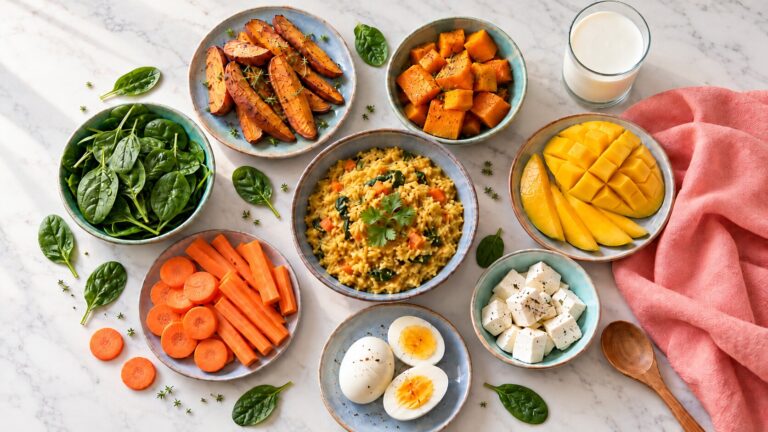
To grow properly, a child’s body needs a specific mix of building blocks. This variety gives them the energy to play and the materials to build a healthy body.
According to health experts, a balanced diet includes these five main groups:
1. Energy Carbs: Foods like oats, brown rice, and whole wheat (roti) are fuel for the body. They give the brain and muscles steady energy all day long.
2. Growth Protein: Proteins are like the physical bricks used to build a house. They help build muscles and repair the body. Good sources are lentils (dal), chickpeas (chana), paneer, and eggs.
3. Brain Fats: Most of the brain is made of fat. Children need “good fats” from ghee, walnuts, and almonds to help their brains grow and learn.
4. Vitamins and Minerals: These act like “spark plugs” for the body. For example, Iron helps the blood stay healthy, while Vitamin C helps the body stay strong against germs.
5. Healthy Fiber: Found in whole fruits and vegetables, fiber keeps the stomach working smoothly. It also helps kids feel full and satisfied after a meal.
Daily Nutritional Needs by Age
As your child grows, their body needs more fuel. While a small child needs enough energy to play, an older child needs much more to support their growing muscles and bones. These numbers show what the body requires each day to stay healthy.
| Age Group | Carbohydrates | Protein | Healthy Fat | Daily Calories* |
| 2-3 Years | 130 g | 13 g | 30-40% of daily calories | 1,000-1,400 kcal |
| 4-8 Years | 130 g | 19 g | 25-35% of daily calories | 1,200-1,600 kcal |
| 9-12 Years | 130 g | 34 g | 25-35% of daily calories | 1,600-2,200 kcal |
*Note: Calorie intake depends upon age, gender, activity level, growth stage and overall health. More active children may need more energy throughout the day.
A Few Tips to Improve Your Kids’ Eating Habits
As a parent, you need to understand that good eating habits do not develop overnight. It needs consistency and a whole lot of effort. If you can make these small everyday changes regarding their meals, you will be able to make a big difference over time:
1. Maintain a Consistent Mealtime: Offer them meals at roughly the same time every day. A simple routine will help them better recognise hunger, and they will feel that eating is a natural process.
2. Avoid Force Feeding Them: Avoid pressurising your child to eat, as it may create more resistance. It is always better to offer them food calmly and let them become comfortable with it.
3. Eat Together as a Family: Your kids learn by watching what you do. So, it’s always better to encourage a family mealtime every day to make eating a more relaxed and familiar process.
4. Make Their Plates More Colourful: Bright-coloured vegetables and fruits will make their meals look more inviting. Even a very simple presentation will help them feel more interested in trying new foods.
5. Avoid Screens During Meals: Mobile phones, tablets, and TV can distract your child from hunger and fullness cues. A calmer mealtime will help them focus better on what they are eating.
6. Introduce New Options Slowly: Do not worry if your child refuses to eat food at first. Start by offering them something new in small amounts alongside familiar options without pressure.
Summing It Up
Following a balanced diet chart for kids will offer you simple ways to plan their meals better, without overcomplicating their everyday nutrition. Your goal shouldn’t be to make them eat perfectly every day, but to build steady eating habits that will support their growth, energy, and immunity. Along with wholesome meals, some kids may still need extra nutritional support. In such cases, the right supplement, chosen carefully and age-appropriately, can help fill everyday gaps and support your kid’s overall well-being in practical ways.





 No Refined Sugar
 No Preservatives
 No Maltodextrin