Building Blocks for Growth: A Parent’s Guide to Protein for Kids

Key Takeaways
The Main Builder: Protein is used to build muscles, bones, and skin. Clinical research shows that protein intake is a major predictor of bone mass and height in children.
- A Daily Requirement: The body cannot store protein for later use like it does with fat. Children must eat protein every day to keep their growth and tissue repair on track.
- Immune System Support: Protein is used to create antibodies that find and destroy germs.
- Age-Specific Targets: Daily goals increase as kids get bigger: 13 g for toddlers, 19 g for kids , and 34 g for pre-teens
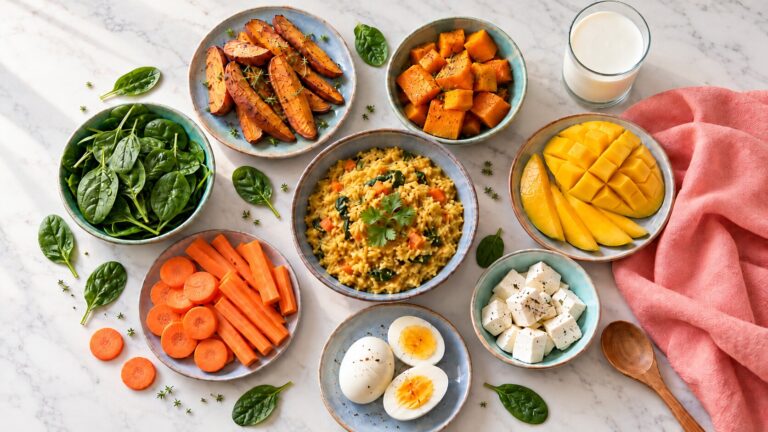
Protein is required for the production and repair of every cell in a child’s body. Children require between 13 g and 34 g of protein daily depending on their age and weight. Because the body does not store protein as it does fat, a daily supply is mandatory. This requirement can be met through a strategic mix of dairy, eggs, and “protein pairing” with traditional Indian meals like dal and rice.
Why Kids Need Protein
Protein is a vital nutrient that acts as the main building material for a child’s body. It is not just for athletes or people at the gym. For a kid, protein is needed to build everything from strong muscles to healthy skin. A key fact to remember is that the body cannot store protein for later use like it stores fat. This means children must eat protein every single day to keep their growth on the right track.
When it comes to height, protein intake is a major predictor of bone mass and growth in children. While calcium is famous for bones, protein provides the frame that holds those minerals together. Beyond bones, the immune system uses protein to make antibodies. These are special cells that find and destroy germs. Without enough protein, a child’s natural defenses can slow down, making it harder for them to fight off common illnesses.
1. Building and Repairing Tissue: Children are in a constant state of “building.” Protein provides amino acids to create new skin, bone, and muscle cells.
2. Strengthening the Immune System: The immune system uses protein to create antibodies. These “soldiers” find and destroy germs. Without enough protein, the immune response can slow down, making a child more likely to catch frequent colds.
3. Energy and Brain Focus: Proteins create enzymes that power chemical reactions, helping digest food and turn it into energy. Protein also helps the brain send messages so kids can think clearly in school.
How Much Protein Do They Need? (By Age)
As kids grow up, their need for healthy food doesn’t stay the same. The amount of protein a child needs goes up to match their growing weight, how fast they burn energy, and how much they move around during the day. This gives the body all the “building supplies” it needs to create new muscles and strong bones.
Health experts from groups like the Indian Academy of Pediatrics (IAP) and ICMR-NIN have created a guide for these daily goals
| Age Group | Daily Protein (Grams) | Why the Requirement Changes |
| 1–3 Years | 13 g | Focuses on rapid brain growth and new tissue building. |
| 4–8 Years | 19 g | Supports increased physical play and classroom focus. |
| 9–12 Years | 34 g | Prepares the body for the pubertal growth spurt. |
*Note: Highly active children in sports may need up to 20% more protein to repair muscle fibers after exercise.
High-Quality Protein Sources: The Deep Dive
In India, where diets are often grain-heavy, focusing on high-density protein sources is the best way to close the “nutrition gap.” The percentages below are based on the RDA of 19g (for a child aged 4–8 years).
Protein Power Table: Top Indian Food Sources
| Food Source | Portion Size | Protein (g) | % of RDA (Ages 4–8) |
| Soya Chunks | 25g (dry) | ~13.0g | 68% |
| Chicken (Lean) | 50g (cooked) | ~13.5g | 71% |
| Paneer (Cottage Cheese) | 50g | ~9.0g | 47% |
| Milk (Cow/Buffalo) | 1 Glass (250ml) | ~8.0g | 42% |
| Cooked Dal (Lentils) | 1 Bowl (150g) | ~7.5g | 39% |
| Egg (Large) | 1 Whole | ~6.0g | 31% |
| Peanuts | 1 Handful (30g) | ~7.0g | 37% |
| Curd (Dahi) | 1 Cup (200g) | ~6.5g | 34% |
The key to a healthy body is variety. While some foods like eggs and milk are “ready-to-use” complete proteins, traditional Indian meals like dal and rice are just as powerful when eaten together. By including a mix of these different sources throughout the week, a child gets all the building blocks they need. Focusing on high-quality protein every day is the best way to support a growing body and a strong immune system.
Understanding Quality: The “Protein Pairing” Strategy
Not all protein is created equal. Medical experts use bioavailability to describe how well the body absorbs protein.
To maximize the benefits of protein for kids, it is important to understand how the body absorbs different types of food. High-quality protein sources ensure that a child gets all the “essential” building blocks they need for growth.
1. Complete Bioavailable Proteins: Foods like eggs and dairy are considered “ready-to-use” proteins. They contain all nine essential amino acids that the body cannot produce on its own. Milk and eggs have a perfect protein quality score (PDCAAS of 1.0), which means almost 100% of the protein in the food is successfully absorbed and used to build new cells and tissues.
2. The Synergy of “Protein Pairing”: Most plant-based foods are “incomplete” because they are missing one or two specific amino acids. For example, grains like rice are low in an amino acid called lysine but high in methionine. Pulses like dal are the exact opposite. When a child eats grains and pulses together in a meal like Khichdi, these amino acids ‘complete’ each other. This biological teamwork makes traditional Indian vegetarian meals just as effective for growth as animal-based proteins.
3. Soya: The High-Density Plant Source: Soya is one of the few plant foods that is a “complete” protein on its own, providing all nine essential amino acids. Soya chunks contain approximately 52g of protein per 100g, which is more than double the protein density of chicken or fish. For vegetarian families, soya is a highly efficient way to meet protein targets without requiring the child to eat very large portions of food.
4 Easy Ways to Boost Protein for Picky Eaters
If your child refuses traditional meals, try these evidence-based “hacks”:
Here are four practical ways to increase the protein in your child’s meals without making them eat a larger volume of food.
1. Fortify the Daily Flour: A simple way to boost every meal is to mix Sattu (roasted chana powder) or soy flour into your regular wheat flour (atta). Aim for a ratio of 1 cup of protein flour for every 4 cups of wheat flour. Sattu is a high-protein, low-GI flour that makes rotis more nutritious and filling. It adds a nutty flavor while significantly increasing the protein density of a basic Indian meal.
2. The “Nutty” Milk Boost: Crushing almonds or walnuts into a fine powder and adding 1–2 teaspoons to a glass of milk or a bowl of porridge is a powerful growth hack. Nuts are rich in L-arginine, an amino acid that stimulates the body to release growth hormones. This specific amino acid is a key player in helping children reach their full height potential during their early years.
3. Moong Dal Cheela (Savory Pancakes): Instead of using rice-heavy batters, use soaked and ground moong dal to make savory pancakes or “cheelas.” Mung bean protein is very easy for a child’s stomach to digest compared to other legumes. It is also packed with fiber, which helps keep their energy levels steady throughout the school day so they don’t feel a “sugar crash.”
4. Concentrated Greek-Style Curd: You can easily make a high-protein snack by hanging home-made curd in a clean muslin cloth for about 2–3 hours to drain the watery whey. Strained yogurt has double the protein concentration of regular yogurt. This thick, creamy curd can be served with fruit or used as a dip, providing more “growth bricks” in every single spoonful.
Identifying Potential Nutrition Gaps
In India, a high-carb diet often leads to “Hidden Hunger.” This is when a child feels full but lacks the building blocks to thrive.
Watch for these signs of a protein gap:
1. Brittle Nails and Thin Hair: The body stops sending protein to “non-essential” areas.
2. Slow Healing: Scratches or bruises that take a long time to go away.
3. Frequent Infections: A lack of protein prevents the body from creating enough white blood cells.
Choosing the Right Protein Powder for Kids
If a pediatrician recommends a supplement, choosing the right one is critical. Most adult protein powders are unsafe for children because they contain too much protein, caffeine, or artificial sweeteners.
When choosing a supplement, it is important to remember that age matters. A 5-year-old’s body is doing different work than a 12-year-old’s, so their nutrition should be tailored to match their specific stage of life.
Gritzo Super Milk takes the guesswork out of this by personalizing the formula. Supermilk has customized nutrients based on your child’s age, gender, and specific growth goals—whether they need help with height, strength, or daily energy.





 No Refined Sugar
 No Preservatives
 No Maltodextrin