11 Best Foods for Height Increase: Science-Backed Nutrients & Daily Guide


Key Takeaways
Foods richest for height growth are those high in calcium, bioavailable protein, vitamin D, zinc, magnesium, and healthy fats
- These nutrients support bone mineralisation, muscle growth, and the growth hormone–IGF-1 pathway
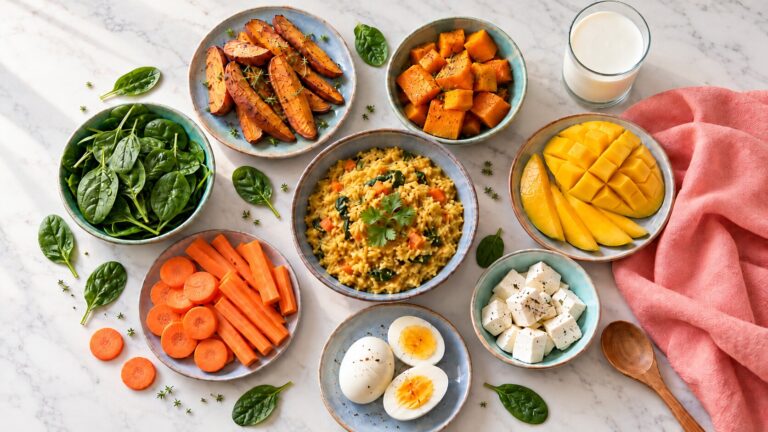
- Top food choices for growing children include dairy, fish, eggs, soy, ragi, chicken, nuts, pulses, leafy greens, and sweet potatoes
- Teens benefit from 2–3 daily servings of dairy to meet calcium needs
Parents hear several claims about their children’s diet and height almost all the time. A few say that milk is enough for their growth. Some people say certain special supplements are required for overall stability. However, the truth is more balanced. Good food supports their growth only when it is chosen well. This blog explains the best height-boosting foods for kids. By the end of this blog, you will also learn how the right foods help children and teenagers reach their natural growth potential.
The best height-increase foods are those rich in calcium, bioavailable protein, vitamin D, zinc, magnesium, and healthy fats. These micronutrients support bone mineralisation. It also helps with muscle growth and the growth hormone-IGF-1 pathway. Dairy products, along with fish, eggs, soy, ragi, chicken, nuts, pulses, leafy greens, and sweet potatoes, are amongst the top choices for growing children. For teens, 2 to 3 servings of structured dairy also helps support calcium intake.
The Biological Architecture of Linear Height Growth
Height growth occurs within the growth plates. These plates are soft cartilages located near the ends of the long bones. They are also known as epiphyseal plates. During childhood and adolescence, these growth plates continue to produce new cartilage. This cartilage hardens into bone thereafter. And this whole process allows the arms, legs and spine to grow longer.
Reports suggest that growth plates usually close near the end of puberty. In some girls, this happens between ages 13 and 15. In some boys, it occurs between ages 15 and 17. When these plates fuse, bones are unable to grow longer with just food, exercise, or supplements. Nutrition can, however, still support bone strength, posture, muscle health, and overall wellness.
The second key part here is the hormone system. Growth hormone in kids is produced by the pituitary gland. It tells the liver to produce insulin-like growth factor-1. This is also known as the IGF-1. IGF-1 helps bone cells multiply inside the growth plate. And this whole process is supported by protein, calories, zinc, calcium, and vitamin D.
Data shows that poor nutrition can also affect linear growth. WHO and UNICEF data suggest that stunting remains a major concern amongst kids globally. This is why parents should focus on balanced meals rather than quick claims about height.
11 Best Foods for Height Increase
1.Dairy Products: Whole Milk, Curd, and Paneer
Verdict: Dairy is one of the strongest nutritional anchors for growing children.
Core Nutrients: Calcium, phosphorus, protein, vitamin B12
Target Serving Size: 2 to 3 servings daily
Primary Focus Area: Bone mineral density and linear bone growth
We all know that curd, paneer and milk are usually rich in protein and calcium. The latter helps build the internal bone structures. Whereas protein helps support the soft matrix on which the minerals settle. Dairy is, therefore, useful during growth years.
Reports show that vitamin D and calcium work well together for bone growth. Without vitamin D, the body cannot absorb calcium properly. This is why dairy works best when your child also gets enough sunlight, vitamin D foods, and medical supplementation, if prescribed.
Curd is very easy to digest for most children. You can add paneer to their parathas, pulao, sandwiches, or vegetable curries. However, avoid adding too much sugar to milk. Flavoured milk may increase their sugar intake without improving their bone growth.
Best For: Children and teens who tolerate dairy well.
2.Whole Eggs
Verdict: Eggs provide complete protein in a simple and affordable form.
Core Nutrients: Complete protein, vitamin D, choline, healthy fats
Target Serving Size: 1 to 2 eggs daily
Primary Focus Area: Skeletal matrix construction
Eggs contain all kinds of essential amino acids. These are the real building blocks of protein. Kids need these amino acids for muscle, tissue, enzymes, and bone support. Egg yolks also contain small amounts of vitamin D and healthy fats.
As a parent, you keep searching for growth-hormone foods to support your child’s development. However, no food alone contains usable human growth hormone. Protein-rich foods like eggs, on the other hand, can support the body’s natural growth pathways.
Give them boiled eggs, omelettes, and egg bhurji daily. Or make egg rolls as tiffin snacks. Ensure the use of moderate oil. You can also pair eggs with roti, vegetables, or whole-grain toast for a complete meal.
Best For: Picky eaters who need compact protein in small portions.
3.Lean Poultry or Chicken
Verdict: Chicken gives dense protein for growing muscles and bones.
Core Nutrients: Protein, vitamin B12, niacin, taurine
Target Serving Size: Around 75 to 100 g cooked serving
Primary Focus Area: Muscle and skeletal support
Chicken is a high-quality source of protein. It helps kids meet their daily protein requirements even at small portion sizes. Protein is important as bones are not made only of minerals. They also have a protein-based structure.
Chicken also offers vitamin B12. This helps support the formation of red blood cells and good nerve health. Good energy levels help children stay active. They play outdoors more often, and this helps maintain their appetite.
Always choose home-cooked chicken over fried or processed chicken products. You may go for grilled, boiled, curried, or lightly sautéed chicken for your kids. It works better than nuggets or sausages. Also, add vegetables to improve fibre and micronutrient intake.
Best For: Active children and adolescents with higher protein needs.
4.Fatty Fish: Salmon, Sardines, and Indian Options
Verdict: Fatty fish supports bone health through vitamin D and omega-3 fats.
Core Nutrients: Vitamin D, omega-3 fats, protein, calcium in small fish with bones
Target Serving Size: 85 to 100 g serving
Primary Focus Area: Calcium absorption and bone remodelling
Vitamin D is needed for calcium absorption in the body. Data shows that vitamin D is also essential for bone growth and bone remodelling. Fatty fish is one of the few natural food sources of vitamin D.
Sardines are an amazing source of calcium when their soft bones are eaten. Indian options such as rohu, hilsa, and mackerel can be included in the diet based on their local availability. Fish provides omega-3 fatty acids. And this helps support your kids’ overall development.
However, avoid giving them deep-fried fish every time. You can steam the fish or make a light curry. Grilling or light pan-cooking is also a great option. Do not forget to check for bones when serving children.
Best For: Children who eat non-vegetarian food and need vitamin D support.
5. Soybeans, Soy Chunks, and Tofu
Verdict: Soy is a strong plant-based protein option for height-supportive meals.
Core Nutrients: Plant protein, iron, calcium in fortified tofu, isoflavones
Target Serving Size: Around 50 g cooked serving
Primary Focus Area: Vegetarian protein support
Children on vegetarian diets can use soybeans, soy chunks, and tofu to meet protein requirements. They are especially useful for vegetarian children who consume limited dairy or who do not enjoy eating dal. Protein also helps stimulate insulin-like growth factor-1 (IGF-1) pathways, promoting growth.
In children, soy products consumed in moderate amounts, like other foods, are safe for hormone levels. And soy can be consumed as part of a balanced diet with adequate variety. Soy is not a protein source to be relied on exclusively.
Tofu can be enjoyed in stir-fries, sandwiches, stuffed into parathas, or added to pulao. Soy Chunks can be cooked with a variety of vegetables and should be soaked and rinsed before use.
Best For: Vegetarian children and teens who need dense protein.
6.Ragi or Finger Millet
Verdict: Ragi is one of the best Indian grains for bone-supportive nutrition.
Core Nutrients: Plant calcium, iron, fibre, complex carbohydrates
Target Serving Size: 1 bowl of porridge or an age-appropriate serving
Primary Focus Area: Vegetarian bone support
Ragi is often called a calcium-rich food for height support because of its naturally high calcium content. 100g of finger millet may contain roughly 344 mg of Calcium. This can be helpful in providing children with a non-dairy source of calcium.
Ragi can also be a great source of sustained energy, helping children stay active longer. Ragi can be enjoyed in a variety of foods from porridge to dosa, idli, roti, laddoo or pancakes. Fermented Ragi may help improve mineral availability.
Ragi porridge should not be consumed with a lot of added sugar. Banana, dates, Jaggery in small amounts or nuts can be added for better nutrition and taste.
Best For: Children who need calcium-rich vegetarian meals.
7.Almonds and Mixed Nuts
Verdict: Nuts support bone health through magnesium, zinc, and healthy fats.
Core Nutrients: Magnesium, zinc, vitamin E, healthy fats
Target Serving Size: 15 to 20 g daily
Primary Focus Area: Enzyme and mineral support
While nuts cannot directly cause a change in a child’s height, they do have a great impact on filling nutrient gaps. Almonds, walnuts, cashews, pistachios and peanuts are all sources of minerals and healthy fats. This provides energy and supports growth and cell function.
Zinc is an important nutrient for children. Zinc deficiency is known to stunt children’s growth. Whole grains, legumes, seeds, and nuts provide zinc.
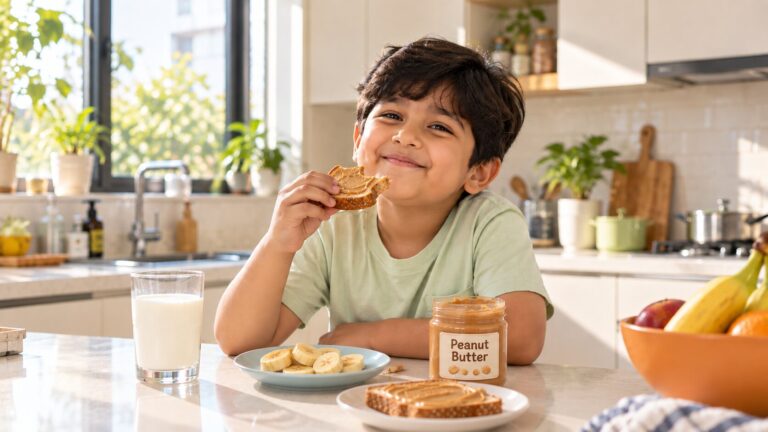
Whole nuts can cause choking hazards, so serve nuts in safe forms as spreads or powders. Nut butters, as well as, powdered nuts and nut butters can be used. Breakfast can include soaked almonds.
Best For: Children who need calorie-dense and nutrient-dense snacks.
8. Dark Leafy Greens: Spinach, Moringa, and Amaranth Leaves
Verdict: Leafy greens support bone mineralization and micronutrient intake.
Core Nutrients: Vitamin K, folate, calcium, iron, magnesium
Target Serving Size: 1 cup cooked greens
Primary Focus Area: Bone mineral support
Leafy greens have magnesium and calcium, vitamin K and folate. Vitamin K aids with bone mineralization. Leafy greens supply fiber and antioxidants.
Indian greens of spinach, moringa, amaranth, methi, bathua, and drumstick are great sources of nutrients. Especially, moringa is amazing for kids. All greens should be cooked and served in forms children can eat.
Add greens to cheela, dal, khichdi, paratha, and soup. Use dosa batter and add greens along with a vitamin C source like lemon or amla for iron absorption.
Best For: Children with low vegetable intake.
9. Beans and Pulses: Chana, Rajma, Dal, and Sprouts
Verdict: Pulses give protein, zinc, iron, and steady energy.
Core Nutrients: Protein, zinc, iron, fibre, B vitamins
Target Serving Size: 1 cup cooked dal or legumes
Primary Focus Area: Plant protein and zinc intake
Pulses are a great source of protein and minerals, making them great for growth. Indian pulses of chana, rajma, and moong, as well as masoor, urad, and toor dal enhance nutrient needs.
Combining dals with cereals improves the balance of amino acids, making the combination great for vegetarian meals. Dal with rice, rajma with rice, chana with roti, and idli with sambar are great combinations.
Pulses are enhanced in digestibility by soaking, sprouting, fermenting, and pressure cooking. If your child experiences gas or bloating, serve smaller portions.
Best For: Vegetarian children who need everyday protein.
10. Sweet Potatoes
Verdict: Sweet potatoes support growth through vitamin A and clean energy.
Core Nutrients: Vitamin A, potassium, fibre, complex carbohydrates
Target Serving Size: 1 medium sweet potato
Primary Focus Area: Cell growth and energy support
Sweet potatoes contain a high level of beta-carotene, which the body converts to Vitamin A. Reports state that Vitamin A promotes growth and development and supports the process of cell differentiation, indicating that sweet potatoes are a great addition to children’s diets.
Sweet potatoes are also a great source of energy. Sweet potatoes are calorie-dense and growing children need to consume a lot of calories. If children do not consume the appropriate number of calories, the body may metabolize protein as a calorie source, which comes at the expense of tissue building.
Consider serving boiled sweet potato as chaat, mash, tikki, paratha stuffing, or soup. Keep the added sugars in your recipes low; sweet potatoes are naturally sweet and usually do not need a sweetener.
Best For: Children who need healthy carbohydrates and vitamin A.
11. Oatmeal and Whole Grains
Verdict: Whole grains provide steady fuel for active growth years.
Core Nutrients: B vitamins, magnesium, fibre, complex carbohydrates
Target Serving Size: 1 bowl daily or alternate days
Primary Focus Area: Energy for tissue synthesis
Growth processes consume copious amounts of energy. Children will not develop properly if protein is the only macronutrient in their diet. Whole grains bring energy to the diet. These include oats, wheat, rice, poha, daliya, jowar, bajra, and whole wheat roti.
Whole grains are a source of magnesium and B vitamins. Both support metabolic and muscle functions. Oats by themselves are not a complete breakfast. Oats need to be combined with milk, curd, nuts, fruits, or seeds to balance the breakfast.
It is important to avoid instant oats, especially those loaded with sugar. These oats should be made into plain porridge, dosa, cheela, pancakes or overnight oats.
Best For: Children who need sustained energy through school and play.
Quick Comparison Table
Parents can utilise our comprehensive, expert-reviewed [height growth foods list] to balance their weekly grocery planning.
| Food Group | Key Nutrients | Serving Benchmark | Primary Target |
| Dairy | Calcium, phosphorus, protein | 2 to 3 servings daily | Bone mineral density |
| Lean meats and eggs | Complete amino acids | 100 g chicken or 1 to 2 eggs | Skeletal matrix construction |
| Millets such as ragi | Plant calcium, iron | 1 bowl of porridge | Vegetarian growth support |
| Nuts and seeds | Zinc, magnesium | Small handful daily | Enzymatic regulation |
| Pulses and beans | Protein, zinc, and iron | 1 cup cooked | Plant protein support |
| Leafy greens | Vitamin K, folate, minerals | 1 cup cooked | Bone mineralization |
Age-Wise Nutrition and Target Management Tracking
Early Childhood Phase: Ages 2 to 9 Years
This phase of early childhood sets the groundwork for all the succeeding years. Children in this phase must be fed regularly. Protein, dairy or calcium-rich foods, whole fruits and vegetables, grains, and healthy fats should all be included in every meal. India still suffers from a high burden of childhood stunting in children younger than five.
It is critical that parents track the nutritional development of younger children. This is done by regularly plotting growth in height and weight on growth charts. Children should not be compared to just cousins or classmates. There is a wide range of normal growth and development. A qualified paediatrician should be consulted if a child exhibits growth deceleration.
Adolescent Peak Growth Window: Ages 10 to 18 Years
This phase includes rapid growth and development. This phase also lengthens the already wide range of normal growth patterns. It is in this phase that the highest quantity and greatest variety of nutrients are needed. Protein, calcium, iron and zinc, in addition to higher caloric needs, are required.
Adolescents are infamous for erratic eating patterns. High nutrient demand and supply, coupled with skipping breakfast or reliance on packaged foods, contribute to the already poor nutritional status of adolescents. Parents bound by rigid dietary norms in childhood should follow our practical to fulfil a child’s nutritional needs in all critical dimensions.
During the week, incorporate a variety of foods. Additionally, analyse your sleep and activity.
The Post-18 Reality Check: Managing Expectations
It is a myth that any food can extend bone length once growth plates close. The nutrition offered after 18 is still vital. It will aid in the development of bone mineral density, muscle mass and strength, and overall postural alignment.
It is still possible for adults to appear taller with a strong back and an aligned posture. Healthy weight management is also key. Once growth plates close, there is no healthy way to manage weight to reopen them.
Final Takeaway
The healthy foods that help support growth are typically the same foods people consume daily. Children require an adequate supply of healthy fats, magnesium, calcium, zinc, vitamin D, and protein. Foods that can aid growth include pulses, ragi, whole grains, greens, sweet potatoes, dairy, chicken, fish, and eggs.
Unfortunately, there is no food that will help a person grow extra height. Growth, especially in children, is dependent on several factors, including hormones, the timing of puberty, illness, and, of course, genetics. Height claims are best evaluated by a paediatrician or paediatric dietitian.





 No Refined Sugar
 No Preservatives
 No Maltodextrin