How to Boost Immunity in Kids Naturally: Foods, Habits & Pediatrician Tips

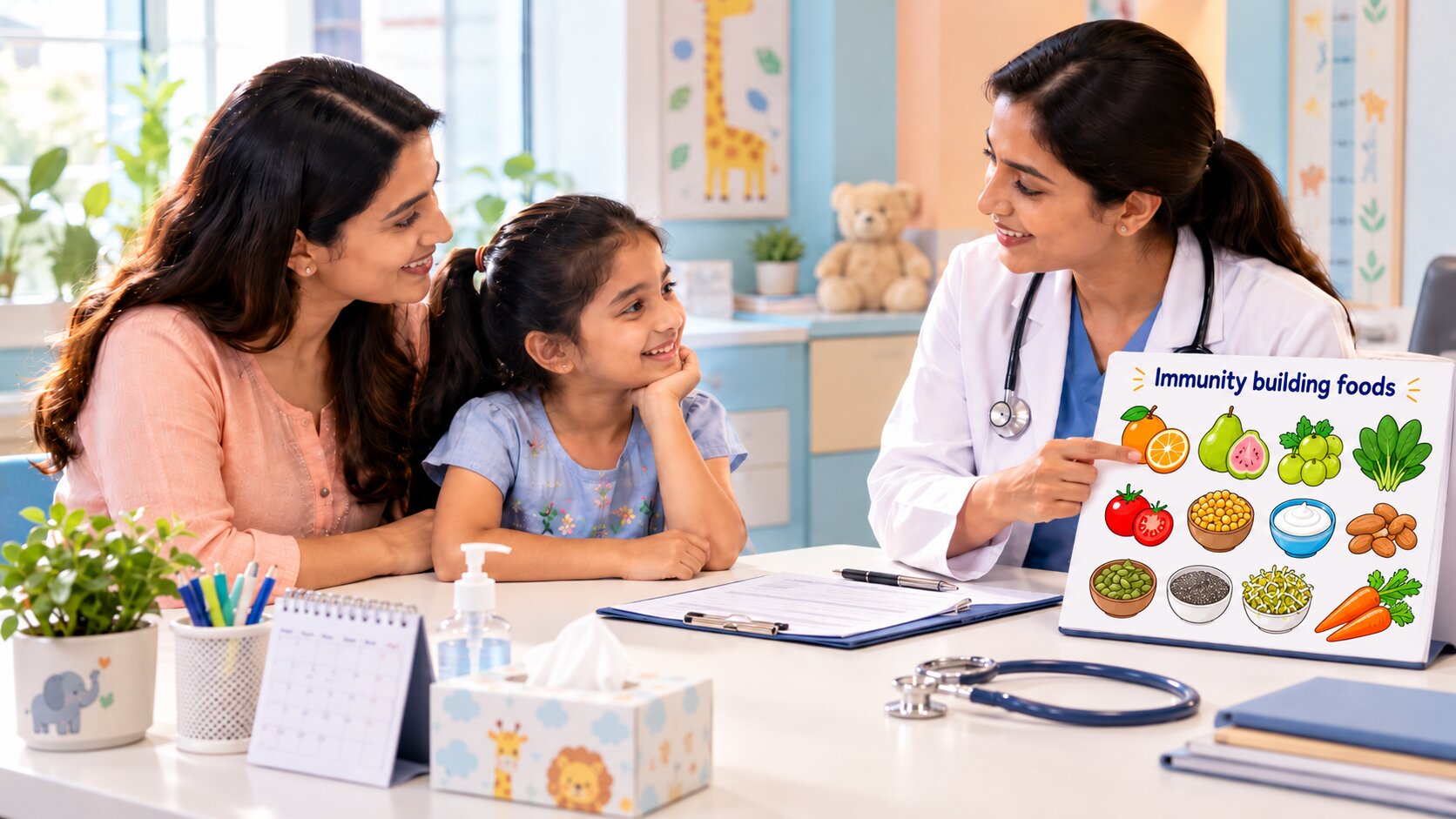
Key Takeaways
Serve a Colorful, Varied Diet: Forget the idea of a single "superfood." Instead, provide a balanced mix of Vitamin C (citrus, amla), iron (leafy greens, lentils), healthy fats, and probiotic-rich foods (curd) to support gut health and overall immunity.
- Enforce Healthy Daily Habits: Consistent routines matter. Ensure your child gets 9 to 12 hours of sleep, swaps screen time for active outdoor play, and maintains strict handwashing habits to naturally support their developing immune system.
- Keep Up with Routine Medical Care: A healthy lifestyle cannot replace the specific disease protection that vaccines provide. Stay on top of official immunization schedules and consult a pediatrician if your child experiences unusually frequent or severe illnesses.
As children start school or seasons change, supporting their developing immune system becomes a top priority for parents. This guide breaks down science-backed nutrition, everyday habits, and medical insights to keep your child healthy year-round.
If you’re wondering what the way to strengthen kids’ immunity is, there is no such super food, supplement, or home recipe that can ensure good immunity development in kids. This process implies the combination of different health behaviors practiced consistently.
Quick Answer: How to Strengthen Your Child’s Immune System Naturally?
To understand how to boost immunity in kids, focus on a balanced diet rich in micronutrients (Vitamin C, Zinc, Iron), ensure age-appropriate sleep (9–12 hours), encourage daily physical play, maintain proper hand hygiene, and stay up to date with routine immunizations. Natural remedies like probiotic-rich yogurt and seasonal fruits support gut health, which houses over 70% of the body’s immune cells and supports the child’s immune system. Always consult a pediatrician before introducing supplements.
Top Immunity-Boosting Foods for Children
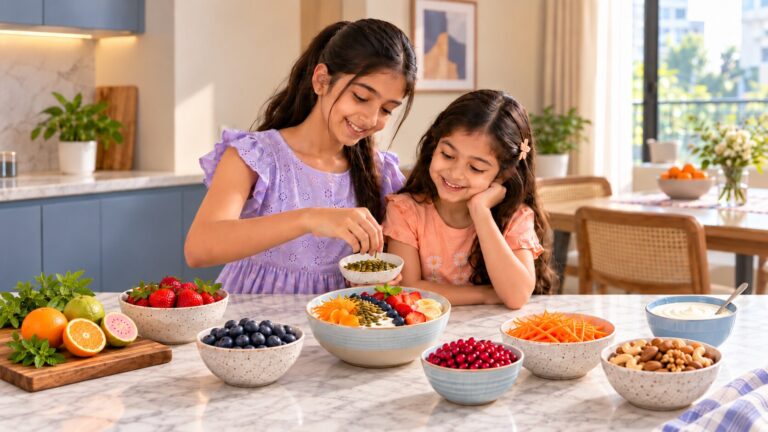
There is no one particular food that can completely fortify the immunity of your child. The trick is to vary your diet. Focus on getting more colours on the plate. It will ensure that your child is getting a broader spectrum of vitamins, minerals, fiber, proteins, and other nutrients.
1. Fruits and Vegetables Rich in Vitamin C & Antioxidants
For fruits and vegetables rich in Vitamin C & antioxidants, try amla, guava, orange, mosambi, papaya, tomatoes, capsicum, and other seasonal produce. Vitamin C helps to maintain proper functioning of the immune system and increases the absorption of non-heme iron, which is found in plant foods.
Therefore, it makes such combinations particularly beneficial:
- Dal + lemon
- Chana chaat + amla
- Palak sabzi + tomato
- Sprouts + capsicum
- Poha + lemon
- Rajma + tomato-based gravy
2. Leafy Greens and Iron-Rich Foods
Iron is essential for many biological processes, such as proper functioning of the immune system. Iron is one of the most important nutrient-rich foods for immunity, and the lack of it can adversely affect the health of children.
Some examples of useful foods for the Indian diet are:
- Lentils and dals
- Chana and rajma
- Soybeans and tofu
- Green leafy vegetables like spinach and fenugreek
- Sesame seeds
- Pumpkin seeds
- Fortified foods like milk or dairy products, wherever appropriate
3. Nuts, Seeds and Healthy Fats
Almonds, walnuts, chia seeds, and flaxseeds help enrich your child’s diet with healthy fats, vitamin E, and other beneficial components. Walnuts, chia seeds, and flaxseeds contain alpha-linolenic acid (ALA), which is a plant-based omega-3 fatty acid.
Simple methods of incorporating them are:
- Incorporate crushed nuts in your porridge or oats.
- Mix chia or ground flaxseed in curd.
- Mix nut powder in a smoothie.
- Create a simple nut and seed trail mix for older children.
When it comes to feeding younger children, please pay attention to choking hazards as well.
4. Probiotic Foods for Gut Health
Much of the immunity boosting foods for kids are intricately associated with the gut microbiota. The gut and the immune system work hand in hand. Foods such as curd or yogurt made from live bacteria can help in a healthy diet regimen. Other fermented products that contain helpful microorganisms may depend upon their method of preparation.
Indian foods such as the following help promote gut health in children:
- Plain curd
- Homemade yogurt
- Buttermilk
- Idli and dosa
- Other traditionally fermented foods such as dhokla, kanji, and more
Healthy Daily Habits to Build Strong Immunity
Food is but one aspect of the equation. The daily schedule of your child is important as well.
1. Prioritise Quality Sleep
While your child is asleep, their body is actually working. It helps with physical growth, learning, and mood regulation as well.
Here are the recommended hours of sleep per age group:
| Age | Recommended sleep duration |
| 0-5 years | At least 11 hours |
| 5-10 years | At least 10 hours |
| 10 years and above | At least 9 hours |
These are in accordance with the Indian Academy of Pediatrics Revised Guidelines on Evaluation, Prevention and Management of Childhood Obesity.
It is best to have consistent bedtimes and wake-up times. Establishing a bedtime routine may also help.
2. Encourage Daily Physical Activity and Outdoor Play
Running, cycling, swimming, dancing, football – whatever your child likes are great for his overall health and immunity. Physical activity promotes heart health, fitness, good sleep, and wellness in general. Healthy activities like being physically active and eating right also promote healthy immunity.
The objective does not need to be rigorous exercise. Because for kids, playtime itself is exercise in disguise. Allow them to climb, jump, run, dance, and sweat a little. Switch screen time with playtime and notice the difference yourself.
3. Teach Proper Hand Hygiene
Washing hands is one of the most essential daily habits for child immunity to inculcate during their growing years. When it becomes a regular habit, they can take their responsibility for taking care of their immunity.
Make your kids wash their hands:
- Before eating
- After using the toilet
- After coming home from school or outdoor play
- After coughing or sneezing
- After touching visibly dirty surfaces
- Before handling food
Wash hands thoroughly with soap and water, ensuring that all surfaces of the hands get covered. WHO recommends frequent hand washing with soap, especially prior to eating and after using the toilet.
For toddlers, you can try singing a song while they wash their hands so that they take enough time to clean their hands.
4. Keep Their Diet Varied
As an answer to how to improve child immunity naturally, you need to keep your children’s diet varied. “Eating healthy” does not necessarily mean that your kid’s plate must have the same ingredients every time. Sometimes there might be dal, rice, and vegetables. Sometimes there could be idli, sambar, and fruits. Other times, maybe there is roti, paneer, cucumber, and curd.
However, the overall diet matters rather than individual meals. Focus on providing a variety of: Protein + Whole Grains + Fruits & vegetables + Healthy Fats + Dairy or appropriate alternatives.
The Role of Vaccines in Pediatric Immune Support
Nutrition and a healthy lifestyle promote strong childhood immunisation; however, they cannot take the place of vaccination. The process of vaccination differs greatly from healthy lifestyle practices. It prepares the immune system for particular disease agents without exposing the child to the entire disease process.
The IAP vaccination schedule can provide you with information on immunization of children, including the latest immunization resources and schedules.
Parents must keep track of their child’s vaccination records and consult their pediatricians about routine and age-related vaccinations. It is also important to note that nutritious foods do not have the ability to protect against particular diseases like a vaccine does.
When to Consult a Pediatrician
Colds are a common phenomenon among children, and you don’t need to worry at every onset of a common cold. There are, however, certain situations that require special attention.
Consult your child’s pediatrician in case of:
- Frequent or unusually severe infections
- Infections that take an unusually long time to heal
- Frequent fatigue or low energy
- Poor appetite and nutritional problems
- Problems with weight gain or growth
- Unexplained weight loss
- Ongoing problems with digestion
- Developmental problems of your child
These symptoms are not necessarily an indication of poor immunity. There are many reasons for these symptoms to occur – poor nutrition, lack of sleep, allergies, asthma, and other diseases. When you see a pediatrician, he will look at the entire situation and be able to advise you correctly.
Recommended Action & Next Steps
Every child is unique and develops at their own rate. The nutrition needs of children may be influenced by various factors such as their age, level of physical activity, appetite, and stage of development. By understanding their nutritional needs, you will be able to make better decisions about their diets.
If you want to find out if your child is getting enough vital nutrients, first take a look at their diet, eating, and growth patterns. Healthy growth and development of your children should begin with a well-balanced and varied diet.
Want personalized nutrition guidance tailored to your child’s growth needs? Consult a verified pediatric nutritionist or speak with your doctor today.





 No Refined Sugar
 No Preservatives
 No Maltodextrin